Furnace Repair in Layton, UT
No heat, a furnace that won't stop cycling, or strange noises coming from the basement unit? Call — independent local heating pros serve Layton and nearby Davis County towns. Describe what your system is doing, and they'll walk you through what happens next.
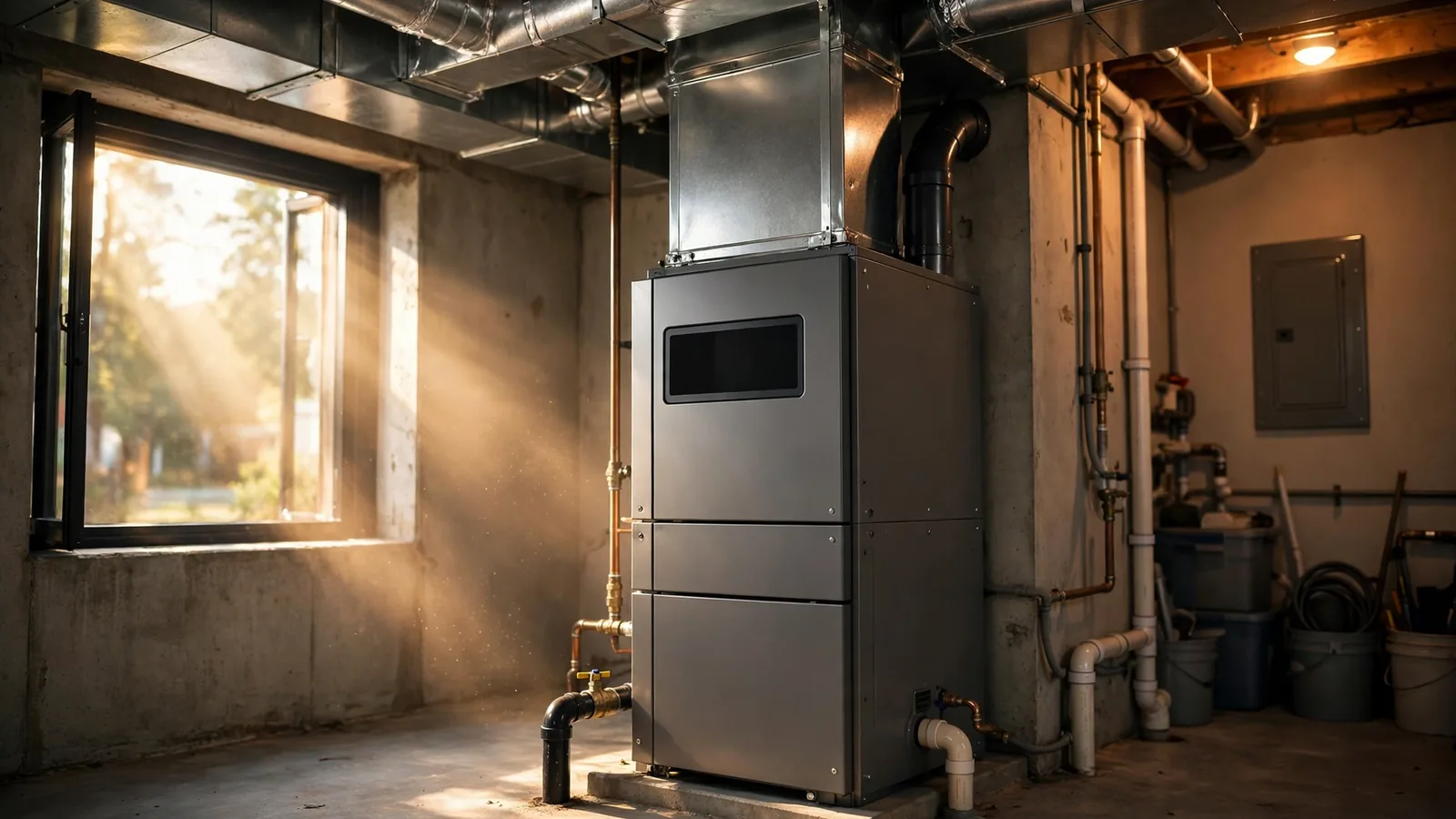
⚠ No heat? Do this before you call:
- Check the thermostat: mode set to Heat, fan on Auto, temperature a few degrees above the current room temperature. If it runs on batteries, try fresh ones.
- Check the filter: pull it out and look — if it's gray and clogged, that's a common cause of furnace shutdowns. Note it, and mention it when you call.
- Check the power: the furnace switch (it looks like a light switch, usually on or near the unit) should be on, and check your breaker panel for a tripped furnace breaker.
- Smell gas or rotten eggs? Leave the house first, then call 911 or your gas utility from outside. Don't flip switches or run appliances.
- Call — describe what the system does when it calls for heat: clicking, blowing cold air, starting then stopping, or complete silence.
Why homeowners call Layton Furnace Pros
Furnace Repair services in Layton
Furnace Repair
Furnace acting up in Layton, UT? Call (555) 234-5678 — repair help from independent local heating pros.
Learn more →No-Heat Repair
No heat in Layton, UT? Call (555) 234-5678 — independent local pros diagnose dead furnaces and restore heat.
Learn more →Heating System Repair
Heating system problems in Layton, UT? Call (555) 234-5678 — local pros for furnaces, blowers, ducts, and controls.
Learn more →Furnace Replacement Guidance
Wondering if your Layton, UT furnace should be replaced? Call (555) 234-5678 — independent pros assess and advise.
Learn more →Built for Layton homes
Layton sits on the Wasatch Front between the mountains and the Great Salt Lake, and its winters write the furnace script for this town: cold snaps that drop into the teens, and temperature inversions that trap cold air over the valley floor for days at a time. Furnaces here run long, steady hours instead of short bursts — and that run time is what wears out igniters, blower motors, and control boards. Most furnaces live in basements, and the housing stock splits two ways: 1970s–90s homes in the older neighborhoods, many on furnaces deep into their second decade, and newer subdivisions toward the east bench, where builder-installed units are now reaching the age where components start failing.
The high-desert air is the other half of the story. Dry winter air makes duct leaks and whole-home humidifier problems impossible to ignore, and the temperature swing between the bench and the valley floor means two Layton homes a mile apart can heat very differently. Local heating pros work these exact patterns: long inversion run-hours, basement units in two-story homes where the lower floor never quite warms up, and condensing furnaces whose drain lines can freeze in unheated corners. When you describe what your system is doing, they already know where to look.
How it works
Have this ready when you call — what the furnace does when it tries to heat, any noises or flashing error codes, and the age of the unit if you know it. It helps the provider arrive prepared, and it keeps your call focused.
Call the number above
Describe what you're experiencing: no heat, uneven heat, a furnace that starts and stops, a noise that wasn't there last winter. They'll tell you what it sounds like and what the visit involves.
An independent local pro takes it from there
Your provider inspects the system, finds the failure, and lays out the repair in writing before any work starts. No vague verbal summaries.
Heat restored and verified
The repair gets tested through complete heating cycles — warm air at the registers, normal startup and shutdown, safety controls checked. One call starts the whole process.
Need furnace repair in Layton?
One call connects you with a local technician. No forms.
(555) 234-5678📞 Call Now
Furnace Repair questions, answered
How do local furnace pros diagnose a heating problem?
What should I check before I call about a furnace problem?
Why does my furnace keep shutting off after a few minutes?
Is a yellow burner flame a problem?
Which areas do local heating pros serve?
How long do furnaces typically last in Utah homes?
Can a clogged filter really shut my furnace down?
During an inversion my furnace seems to run nonstop — is that normal?
What information should I have ready when I call?
We just moved into an older Layton home — should we have the furnace checked?
Serving Layton and nearby towns
Independent pros connected through this site are based around Layton and serve the surrounding Davis County and southern Weber County towns — if you're nearby and your heat is out, call and they'll tell you straight whether they can reach you.